Home Blog Page 56

EWS Scholarship – Benefits. Eligibility and Application

0

Find EWS Scholarship for students facing financial hardship. Learn about eligibility requirements and application processes. The acronym EWS stands for Economically Weaker Section. In India, the government has established scholarship programs specifically to aid students from these disadvantaged backgrounds. These EWS Scholarships aim to bridge the financial gap for students who might otherwise struggle to afford higher education. By providing monetary support, these scholarships open doors for deserving students to pursue their academic goals.

EWS Scholarship

EWS Scholarships can be offered by the central government, state governments, or even individual universities. The eligibility criteria, application process, and award amounts can vary depending on the specific scholarship. If you’re a student in India facing financial constraints, researching EWS Scholarships could be a great way to find the support you need to succeed in your studies.

What is an EWS Scholarship?

An EWS Scholarship is a financial aid program in India offered to students belonging to the Economically Weaker Section (EWS) category. The EWS reservation system ensures educational opportunities for students from financially disadvantaged backgrounds.  EWS scholarships can cover various expenses, including tuition fees, hostel charges, books, and sometimes even a monthly stipend.

Types of EWS Scholarships

Central Government Scholarships

These scholarships are offered by the Ministry of Education (MoE) of the Government of India. Some examples include the Central Sector Scholarship Scheme for College and University Students and the Pandit Madan Mohan Malaviya Scholarship Scheme.

State Government Scholarships

Many state governments in India also offer EWS scholarships to students from their respective states. These scholarships can be for specific courses or streams, or for general studies. You can find information about state government EWS scholarships on the official websites of the education departments of the respective state governments.

University Scholarships

Some universities in India also offer EWS scholarships to their students. These scholarships are usually need-based and may have additional eligibility criteria, such as a minimum marks requirement. You can find information about university EWS scholarships on the websites of the universities you are interested in.

Private Scholarships

Many private organizations offer EWS scholarships to students in India. These scholarships can be for specific courses, streams, or institutions. You can find information about private EWS scholarships by searching online or contacting the organizations directly.

Benefits of EWS Scholarships

Reduced Financial Burden

The primary benefit is financial aid. EWS scholarships can cover a significant portion of educational expenses, including tuition fees, hostel charges, and book allowances. This can be a game-changer for students who might otherwise struggle to afford college or university.

Increased Accessibility

By mitigating financial barriers, EWS scholarships promote greater access to quality education. This levels the playing field and allows talented students from all economic backgrounds to compete for higher education opportunities.

Improved Completion Rates

Financial stress can be a major factor leading to student dropouts. EWS scholarships can help students focus on their studies without the constant worry of finances, potentially leading to higher graduation rates.

Investment in the Future

EWS scholarships are an investment in the future of India. By nurturing talent from all economic strata, the country benefits from a more educated and skilled workforce, driving innovation and economic growth.

Empowerment and Social Mobility

EWS scholarships empower individuals and promote social mobility. They provide students with the chance to break free from the cycle of poverty and achieve their full potential.

Who is Eligible for an EWS Scholarship?

To be eligible for an EWS Scholarship in India, you’ll need to meet a combination of criteria, though the specifics can vary depending on the scholarship provider. Here’s a breakdown of the general requirements:

Core Eligibility

  • EWS Certificate: This is the most crucial factor. You’ll need a valid EWS certificate issued by a competent authority proving you belong to the Economically Weaker Section.
  • Academic Merit: Most scholarships require a minimum academic performance in your previous exams (e.g., Class 10th or 12th marks).

Additional Considerations

  • Course and Institution: Some scholarships might be specific to certain academic fields (engineering, medicine) or for students enrolled in particular universities (central government institutions, state universities).
  • Income Limit: While the EWS certificate typically sets an income ceiling (often around ₹8 lakhs annually), some scholarships might have stricter income limitations.
  • State of Residence: State government scholarships may prioritize students residing within that state.

How to Apply for an EWS Scholarship

The application process for EWS Scholarships can vary depending on the specific program. Here’s a general guideline:

  • Identify Applicable Scholarships: Research EWS Scholarship programs offered by the central government, your state government, or your chosen educational institution.
  • Check Eligibility Criteria: Ensure you meet all the requirements for the scholarship program you’re interested in.
  • Gather Required Documents: The documents needed may include income certificates, caste certificates, academic transcripts, and admission proofs.
  • Submit Application: Follow the application procedure outlined by the scholarship program. This may involve online applications or offline submissions.

FAQs

What is the income limit for the EWS category?

The income limit for the EWS category can vary depending on the state. It’s generally below ₹8 lakh per annum, but it’s advisable to check the specific program guidelines.

Can I avail myself of other scholarships along with the EWS Scholarship?

The possibility of combining scholarships depends on the specific programs and their eligibility criteria. It’s best to consult the program authorities for clarification.

Where can I find more information about EWS Scholarships?

You can find information about EWS Scholarships on the websites of the Ministry of Social Justice and Empowerment (Government of India), your state government’s education department, or the educational institution you’re interested in.

Conclusion

The EWS Scholarship is a valuable initiative that empowers students from economically weaker sections to pursue their educational goals. By understanding the eligibility criteria and application process, you can leverage this scholarship program to finance your education and achieve academic success.

Check Out

Best Scooter Insurance in USA – Get Quotes & Save Today

0

Find the best scooter insurance in the USA! Compare quotes, get covered fast, and save money on your scooter policy. Learn about scooter insurance requirements and choose the right coverage for you.

Best Scooter Insurance in USA

Cruising around town on your scooter is a fantastic way to get around. It’s convenient, fuel-efficient, and can be a lot of fun. But before you hit the open road, it’s crucial to make sure you’re properly insured. Scooter accidents can happen, and just like with any motor vehicle, you’ll want to be financially protected in case of the unexpected.

This guide will delve into the world of scooter insurance in the USA. We’ll explore what to consider when searching for the best policy, the different types of coverage available, and how to get the most affordable rates. By the end, you’ll be equipped with the knowledge you need to find the perfect scooter insurance plan for your needs and budget.

Understanding Scooter Insurance

Scooter insurance, often offered under motorcycle insurance policies, protects you financially in case of accidents, theft, or vandalism.  There are various coverage options to consider:

  • Liability Insurance: This is typically required by law and covers injuries and property damage caused to others if you’re at fault.
  • Collision Coverage: Pays for repairs to your scooter if you collide with another vehicle or object.
  • Comprehensive Coverage: Protects your scooter from theft, vandalism, fire, weather events, and animal collisions.
  • Uninsured/Underinsured Motorist Coverage: Provides financial protection if you’re hit by a driver without insurance or inadequate coverage.
  • Medical Payments Coverage: This covers medical expenses for you and your passengers in case of an accident, regardless of fault.

Benefits of Scooter Insurance

Scooting around town is a breeze, but even the most cautious rider can face unexpected situations.  Here’s how scooter insurance provides peace of mind and financial protection:

  • Shields You from Financial Burdens: Accidents happen, and repairs can be costly. Insurance covers the repair or replacement of your scooter after a collision, theft, fire, or even natural disasters.
  • Protects Against Third-Party Liability: If you cause an accident that injures someone or damages another person’s property, your insurance takes care of the financial compensation. This saves you from significant personal liability.
  • Offers Medical Coverage: Some policies extend coverage to medical expenses for yourself or your passenger in case of an accident.
  • Provides Peace of Mind: Knowing you’re covered allows you to relax and enjoy the ride, without worrying about the financial consequences of an unforeseen event.

Factors to Consider When Choosing Scooter Insurance

  • Scooter Value: The cost of your scooter will significantly impact your insurance premium. Newer or high-performance scooters will likely have higher coverage costs.
  • Riding Habits: Occasional weekend cruising will have a different insurance cost compared to daily commuting. Be honest about your usage to get an accurate quote.
  • Desired Coverage Level: Consider your risk tolerance and budget when choosing coverage options. Opting for full coverage provides the most protection but will cost more.
  • Your Driving Record: A clean driving record can lead to significant discounts on your insurance premium.

Top Scooter Insurance Companies in the USA

Progressive

Renowned for competitive rates and a variety of coverage options, Progressive is a great choice for scooter riders. They offer liability, comprehensive, and collision coverage, with add-ons like roadside assistance for a well-rounded policy.

Geico

Known for its user-friendly interface and exceptional customer service, Geico caters to scooter riders. Explore their liability, comprehensive, and collision coverage options to create a customized plan.

State Farm

State Farm is a solid choice for scooter insurance, offering dependable coverage and a strong focus on safety. They provide a range of coverage options, including liability, comprehensive, and collision, ensuring you’re protected on the road.

Liberty Mutual

Liberty Mutual caters to various scooter types, from mopeds to electric scooters. Their customizable coverage options allow you to tailor your plan to fit your budget and risk profile. Explore their liability, comprehensive, and collision coverage options.

Nationwide

Nationwide offers comprehensive scooter insurance plans, including liability, comprehensive, and collision coverage. They also provide add-on options like roadside assistance and uninsured motorist coverage for a more secure riding experience.

Getting Scooter Insurance Quotes

  • Online Quote Tools: Many insurance companies offer online quote tools that allow you to compare rates quickly and easily.
  • Insurance Agents: Consulting with an insurance agent can be beneficial, especially if you have specific needs or require personalized advice.

Tips for Saving Money on Scooter Insurance

  • Take a Safety Course: Completing a motorcycle safety course can demonstrate your commitment to safe riding and potentially lead to discounts.
  • Maintain a Good Driving Record: Avoid traffic violations and accidents to keep your premiums down.
  • Shop Around and Compare Quotes: Don’t settle for the first quote you receive. Get quotes from several companies to find the best combination of coverage and price.
  • Increase Your Deductible: A higher deductible lowers your premium, but you’ll be responsible for a larger out-of-pocket amount in case of a claim. Choose a deductible you’re comfortable paying if needed.
  • Bundle Your Insurance: If you have other insurance policies (e.g., car insurance, homeowners insurance) with the same company, you might qualify for bundling discounts.

Frequently Asked Questions (FAQs) About Scooter Insurance

Is scooter insurance required?

Scooter insurance requirements vary by state. Check with your state’s Department of Motor Vehicles (DMV) to determine the minimum coverage required.

How much does scooter insurance cost?

Scooter insurance costs can vary depending on factors like your location, driving history, the type of scooter you ride, and the amount of coverage you choose.

What type of coverage do I need?

At minimum, you’ll need liability coverage to cover any injuries or property damage you cause to others in an accident. Consider adding collision and comprehensive coverage for additional protection for your own scooter.

How can I save money on scooter insurance?

Look for providers offering discounts for bundling policies, safe riding habits, or completing defensive driving courses. You can also adjust your deductible (the amount you pay out of pocket before insurance kicks in) to lower your premium.

Conclusion

Finding the best scooter insurance in the USA requires research and understanding your individual needs. By considering the factors mentioned above and utilizing the provided tips, you can navigate the insurance world with confidence and secure coverage that protects you and your scooter for a smooth and enjoyable ride.

Check Out

NSHSS Scholarships – Benefits, Eligibility, and Application

0

Are you a high-achieving high school student striving for academic excellence and leadership? Discover NSHSS scholarships exclusively for NSHSS members. Find financial aid for college and explore various opportunities to support your academic journey. If you’re an NSHSS member, you have access to a wealth of scholarship opportunities designed to support your educational journey! This guide delves deep into everything you need to know about NSHSS scholarships, from eligibility criteria and application processes to top tips for winning.

The National Society of High School Scholars (NSHSS) offers a wide range of scholarships to deserving students.  In total, they award over $2.5 million in scholarships each year to high school and even college students. These scholarships cover a variety of fields, including STEM, business, the arts, and more.  If you’re a high school student looking to ease the financial burden of college, NSHSS Scholarships are a great place to start your search.

What are NSHSS Scholarships?

The National Society of High School Scholars (NSHSS) offers over $2.5 million in scholarships annually to its members. These scholarships recognize academic achievement, leadership potential, and community involvement. There’s a diverse range of NSHSS scholarships available, catering to various academic interests, including:

  • STEM (Science, Technology, Engineering, and Math)
  • Business & Public Policy
  • Environmental Science & Sustainability
  • Arts & Literature
  • And many more!

Benefits of NSHSS Scholarships

NSHSS scholarships aren’t just financial aid – they act as a spark to ignite your academic journey.  Here’s how:

Financial Fuel

The most immediate benefit is the financial boost. These scholarships can help cover tuition, books, and other college expenses, allowing you to focus on your studies without the burden of overwhelming debt. This financial freedom lets you explore your academic passions with a lighter heart.

Recognition for Excellence

Winning an NSHSS scholarship is a prestigious honor. It acknowledges your hard work, dedication, and academic achievements. This recognition stands out on college applications and future resumes, showcasing your potential to scholarship committees and employers.

Diverse Opportunities

NSHSS offers scholarships in a wide range of fields. This allows you to find an award that aligns with your specific academic interests, be it science, art, leadership, or something else entirely. Winning a scholarship in your field of passion can further fuel your desire to excel in that area.

A Broader Scholarship Search

NSHSS membership opens doors to a vast scholarship network. They partner with numerous organizations, offering members exclusive access to additional scholarship opportunities. This broadens your scholarship search and increases your chances of securing financial aid.

By providing financial support, recognition, and diverse opportunities, NSHSS scholarships act as a powerful spark that ignites your academic potential and propels you toward a brighter future.

Eligibility

Eligibility requirements vary depending on the specific scholarship.  However, some general criteria include:

  • Being a current NSHSS member (for some scholarships)
  • Minimum GPA requirements
  • Demonstrated academic achievement
  • Leadership experience
  • Community service involvement
  • Specific areas of study (for certain scholarships)

How to Apply for NSHSS Scholarships

The application process typically involves the following steps:

  1. Explore Available Scholarships: Visit the NSHSS scholarship page (https://www.nshss.org/) to explore the extensive list of scholarships.
  2. Review Eligibility Requirements: Carefully review the eligibility criteria for each scholarship you’re interested in applying for.
  3. Prepare Required Documents: This may include transcripts, essays, letters of recommendation, and a resume.
  4. Write Personal Essays: Tailor your essays to each scholarship, highlighting your academic achievements, career aspirations, and what makes you a strong candidate.
  5. Secure Letters of Recommendation: Request letters from teachers, counselors, or mentors who can speak to your academic abilities, leadership potential, and character.
  6. Submit Your Application: Ensure you meet all deadlines and submit complete applications through the NSHSS scholarship portal.

Top NSHSS Scholarships to Consider

  • NSHSS Foundation Scholarships: These scholarships recognize outstanding students pursuing degrees in STEM (Science, Technology, Engineering, and Math), Business & Public Policy, and Earth Day Award environmental initiatives.
  • Abercrombie & Fitch Your Personal Purpose Scholarship: This scholarship awards students who demonstrate a strong sense of purpose and social responsibility.
  • Multiple Partner Scholarships: NSHSS partners with various organizations to offer scholarships in diverse fields like visual arts, literature, and leadership.

Tips for Winning an NSHSS Scholarship

  • Start Early: Don’t wait until the last minute to research scholarships and begin your application process.
  • Read Application Instructions Carefully: Pay close attention to deadlines, required documents, and specific essay prompts for each scholarship.
  • Demonstrate Passion and Uniqueness: Showcase your academic achievements and extracurricular involvement, but also highlight what makes you stand out as a unique candidate.
  • Craft Compelling Essays: Write strong, well-organized essays that showcase your personality, goals, and how you align with the scholarship’s values.
  • Proofread and Edit: Ensure your applications are free of typos and grammatical errors.

FAQs about NSHSS Scholarships

Do I need to be an NSHSS member to apply for all scholarships?

While some scholarships have membership as a requirement, others are open to all high school students.

How many scholarships can I apply for?

There’s no limit! Apply to as many scholarships as you qualify for to maximize your chances of receiving an award.

What are the award amounts for NSHSS scholarships?

Award amounts vary depending on the specific scholarship. Be sure to check the details for each opportunity.

How are scholarships disbursed?

Funds are typically sent directly to your chosen accredited college or university.

Conclusion

Winning an NSHSS scholarship requires dedication, strategic planning, and showcasing your best self. By utilizing the resources provided here, actively preparing your application materials, and staying on top of deadlines, you increase your chances of receiving valuable financial support for your college journey.  Remember, the National Society of High School Scholars is proud to celebrate your achievements and support your ambitions.

Check Out

How Much Unemployment Will I Get If I Make $1000 a Week

0

How Much Unemployment Will I Get If I Make $1000 a Week? Unsure about your unemployment benefits? Learn how much you might qualify for based on your weekly earnings. Losing your job can be stressful, and uncertainty about unemployment benefits only adds to the burden. This guide tackles the big question: “How much unemployment will I get if I make $1,000 a week?”  We’ll delve into the factors affecting your benefit amount and provide resources for finding your state-specific details.

How Much Unemployment Will I Get If I Make $1000 a Week

Unemployment benefits are temporary financial assistance provided by your state to help those who are unemployed through no fault of their own and are actively seeking work. The amount you receive is based on your recent wages, not solely your most recent paycheck.

Key Factors Affecting Your Unemployment Benefit Amount

Even though you earned $1,000 a week, other factors influence your unemployment benefits:

  • State of Residence: Each state has its own unemployment insurance program with different benefit calculations.
  • Recent Wages: Your benefits are typically based on your earnings in a specific timeframe (called the “base period”). Earning $1,000/week will likely place you near the maximum benefit amount in many states.
  • Work History: You’ll need a minimum amount of earnings and worked hours during your base period to qualify for benefits.
  • Dependents: Some states offer additional benefits for dependent children or spouses.

Understanding Your State’s Unemployment Benefit Formula

Unfortunately, there’s no one-size-fits-all formula for calculating unemployment benefits. However, most states use a similar approach:

  • Identify your base period: This is typically the first four out of the last five completed calendar quarters (e.g., the past year).
  • Find your highest-earning quarter (High Quarter): Determine the quarter within your base period where you earned the most wages.
  • Calculate your Weekly Benefit Amount (WBA): Most states use a formula that divides your High Quarter wages (gross, before taxes) by a specific number (often 26). This results in your potential WBA.
  • Maximum Benefit Amount: Many states have a maximum weekly benefit amount. Even if your WBA calculation exceeds this limit, you’ll receive the maximum allowed.

Here’s a Step-by-Step Approach to Estimating Your Benefits

  • Identify Your State’s Unemployment Office: A quick web search for “[your state] unemployment office” will lead you to the official website.
  • Review Eligibility Requirements: Ensure you meet all criteria to receive benefits, such as losing your job through no fault of your own and actively seeking new employment.
  • Explore Benefit Calculators: Many state unemployment websites offer benefit calculators. Input your past wages and other requested information to get an estimated benefit amount.

Example

Let’s say you live in California and earned $1000 per week for the past year. California uses a formula that considers your highest wages in a quarter within the base period. Here’s a simplified example (not a guarantee):

  • If your highest quarterly earnings were $13,000, you might qualify for a weekly benefit of around $450 (based on a hypothetical formula of 50% of your highest quarterly wages divided by 4).

Important Note: This is a simplified example to illustrate the concept.  Actual calculations and benefit amounts will vary depending on your state’s specific formula and your individual earnings history.

Finding Out Your Exact Benefit Amount

The best way to determine your unemployment benefit amount is to contact your state’s unemployment office.  They can provide you with the exact formula used and guide you through the application process.

Here are some resources to help you find your state’s unemployment office:

  • U.S. Department of Labor: Provides links to each state’s unemployment office website (https://www.dol.gov/general/topic/unemployment-insurance)
  • Benefits.gov: Offers a benefit finder tool to help you determine your eligibility and potential benefits (https://www.benefits.gov/benefit-finder).

Additional Things to Consider

  • Waiting Week: Most states have a one-week waiting period before you can start receiving benefits.
  • Partial Unemployment Benefits: If you’re working part-time and earning less than your previous full-time wages, you may still qualify for partial unemployment benefits.
  • Filing an Unemployment Claim: Each state has its process for filing an unemployment claim. You’ll typically need to provide documentation of your employment history and reason for job loss.

FAQs

Can I get unemployment if I quit my job?

Generally, no. You must lose your job through no fault of your own to be eligible.

How long will I receive unemployment benefits?

The duration typically ranges from 26 weeks to a maximum determined by your state and economic conditions.

What if I earn money while receiving unemployment benefits?

This may affect your benefit amount. Report any earnings to your unemployment office to ensure you receive the correct benefit amount.

Will I still get benefits if I find a part-time job?

Maybe. Most states allow you to earn some money while receiving benefits, but exceeding a certain amount can reduce your benefit or disqualify you entirely.  Check with your state’s unemployment office for details.

What if I don’t qualify for unemployment benefits?

There might be other government assistance programs available. Explore resources offered by your state or local agencies.

Conclusion

While a $1000 weekly income might affect your unemployment benefit amount, you may still be eligible for significant assistance.  By understanding the factors involved and contacting your state’s unemployment office, you can get a clear picture of your potential benefits and navigate the process effectively.

Check Out

If I Make $1800 a Month Can I Get Food Stamps

0

If I Make $1800 a Month Can I Get Food Stamps? Unsure if $1800 monthly income qualifies you for food stamps? Learn the SNAP eligibility rules for income, household size, and deductions to see if you qualify.

If I Make $1800 a Month Can I Get Food Stamps

Getting enough nutritious food on the table can be a challenge, and food stamps, also known as the Supplemental Nutrition Assistance Program (SNAP), can be a lifesaver for many families and individuals. But with an income of $1,800 a month, you might wonder if you qualify. Here’s a comprehensive guide to help you understand SNAP eligibility based on your income and other factors.

Understanding SNAP Eligibility

The SNAP program is a crucial resource for low-income individuals and families struggling to afford groceries.  While income is a major factor, it’s not the only one. Here’s a breakdown of key eligibility criteria:

  • Gross Income: This refers to your total income before taxes and deductions.
  • Net Income: This is your gross income minus allowable deductions, such as work-related expenses or child support payments. Net income plays a more significant role in determining eligibility.
  • Household Size: The number of people living in your household directly affects the income limits.

Income Limits and Your $1,800 Monthly Income:

The good news is that income limits for SNAP vary depending on household size. Here’s a table outlining the national gross income limits for 2024 (source: USDA Food and Nutrition Service):

Household SizeMaximum Gross Monthly Income
1 person$2,070
2 persons$2,790
3 persons$3,510
4 persons$4,230
Each additional person+$720

Can You Get Food Stamps with a $1,800 Monthly Income?

Based on the table above, if you live alone and make $1,800 a month (gross income), you might be eligible for SNAP benefits depending on your net income after allowable deductions. Let’s explore some scenarios:

  • Scenario 1: If you have minimal deductions and your net income falls below $1,656 (80% of the gross income limit for a single person), you’d likely qualify for SNAP benefits.
  • Scenario 2: With significant deductions that bring your net income under the 80% threshold, eligibility becomes more likely.

Net Income and Deductions:

Even if your gross income falls within the limit for your household size, deductions can further affect your eligibility. Here are some common allowable deductions:

  • Standard deductions based on household size
  • Shelter costs (rent/mortgage, utilities)
  • Dependent care costs
  • Medical and disability expenses

Calculating your net income after deductions can be crucial. The official SNAP website provides a helpful eligibility assistant tool (https://www.fns.usda.gov/snap/recipient/eligibility) to estimate your eligibility based on your specific circumstances.

Other Eligibility Considerations

  • While income plays a significant role, other factors can influence SNAP eligibility:
  • Assets: Having limited resources like savings or investments might not disqualify you, but strict asset limits apply.
  • Citizenship/Immigration Status: U.S. citizens and qualified immigrants can apply.
  • Student Status: Students may have specific eligibility requirements.

Taking the Next Step

If, after reviewing the information, you believe you might qualify for SNAP benefits, here are your next steps:

  • Contact your local SNAP office: They can guide you through the application process and answer any specific questions.
  • Use the online SNAP eligibility tool: This tool provides a preliminary assessment based on your information (https://www.fns.usda.gov/snap/recipient/eligibility).

FAQs on SNAP Eligibility

What other factors affect eligibility?

In addition to income, citizenship status, asset limits, and work requirements may also play a role.

What documents do I need to apply?

You’ll typically need proof of income, residency, and household composition documents.

How much in benefits can I expect?

The amount of SNAP benefits you receive depends on your income, household size, and deductions.

I make slightly more than the gross income limit. Can I still qualify?

Maybe. Deductions can significantly lower your net income and potentially make you eligible.

What if I have medical bills?

Medical expenses exceeding $35 per month for qualifying individuals can be deducted from your gross income.

How much in SNAP benefits can I expect to receive?

The amount varies depending on your income, household size, and deductions.

Conclusion

Understanding SNAP eligibility can be confusing, but hopefully, this guide has empowered you with the knowledge to determine if your $1,800 monthly income falls within the range for potential benefits. Remember, additional factors come into play, so don’t hesitate to reach out to your local SNAP office for a personalized assessment.

Check Out

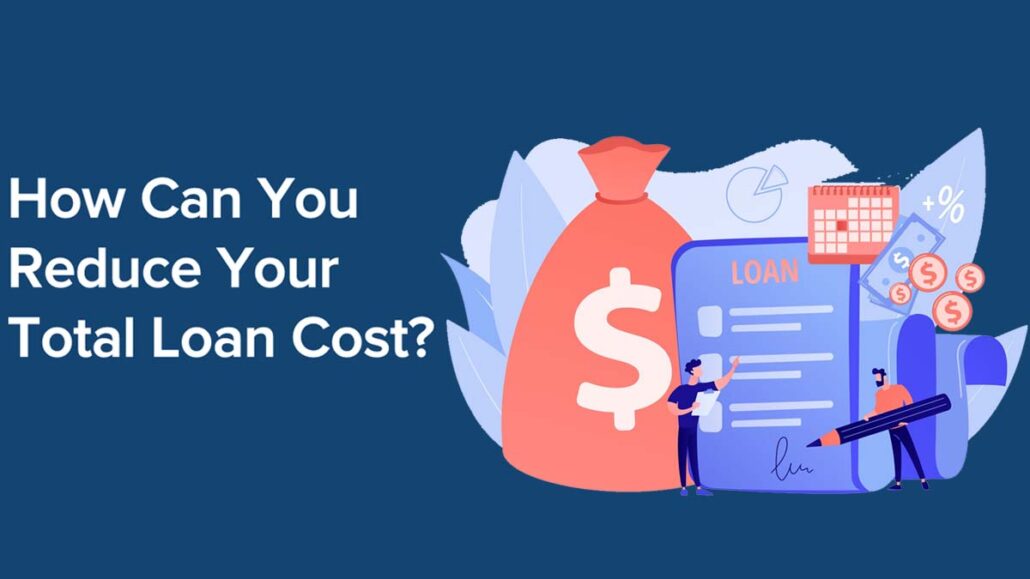
How Can You Reduce Your Total Loan Cost?

0

Are you looking to minimize the overall cost of your loan? Discover practical strategies to reduce your total loan cost and save money.

Debt can feel overwhelming, but the good news is there are ways to fight back and reduce the total amount you owe. In this article, we’ll explore strategies for lowering your loan costs and saving you money in the long run. Whether you’re dealing with student loans, auto loans, or other types of debt, this guide will equip you with actionable tips to take control of your finances and free up more cash flow.

Loans can be a helpful tool to achieve your financial goals, but they also come with the burden of interest.  By taking some proactive steps, you can significantly reduce the total cost of your loan and save yourself a significant amount of money in the long run.

Key Factors Affecting Loan Costs

Before diving into specific strategies, it’s important to understand the key factors that influence your total loan cost:

  • Interest Rate: The interest rate is the percentage of the loan amount that you pay the lender for borrowing the money. A lower interest rate translates to a lower total loan cost.
  • Loan Term: The loan term is the length of time you have to repay the loan. Shorter loan terms typically come with higher monthly payments but ultimately less interest paid overall. Conversely, longer loan terms have lower monthly payments but accrue more interest over time.
  • Origination Fees: Some lenders charge origination fees, which is a one-time upfront fee for processing the loan application.

Strategies to Reduce Your Total Loan Cost

  • Improve Your Credit Score: A higher credit score qualifies you for better interest rates on loans. Work on improving your credit score by paying bills on time, keeping credit card balances low, and maintaining a healthy credit mix.
  • Shop Around and Compare Loan Offers: Don’t settle for the first loan offer you receive. Get quotes from multiple lenders to compare interest rates, fees, and loan terms.
  • Make Extra Payments: Whenever possible, try to make extra payments towards your loan principal. This reduces the outstanding balance faster, saving you money on interest.
  • Refinance Your Loan: If interest rates have dropped since you took out your loan, refinancing to a lower interest rate can significantly reduce your total loan cost.
  • Explore Loan Forgiveness Programs: Depending on your loan type and profession, you may be eligible for loan forgiveness programs that discharge a portion or all of your loan balance after a certain number of qualifying payments.

Proactive Steps to Save on Loans

  • Borrow Only What You Need: It’s tempting to borrow more than you need, but resist the urge. Only borrow what you absolutely need and can afford to repay comfortably.
  • Explore Scholarships and Grants: Before resorting to loans, exhaust all scholarship and grant opportunities to minimize your reliance on borrowed funds.
  • Make Payments on Time: Missing loan payments can result in late fees and penalties, increasing your total loan cost.
  • Set Up Automatic Payments: Enrolling in automatic payments ensures you never miss a payment, which can incur late fees and damage your credit score. Some lenders even offer a slight interest rate reduction for setting up autopay.
  • Round Up Your Payments: Consider rounding up your monthly payment to the nearest hundred and applying the extra amount towards the principal.
  • Prepay During Grace Periods: Some loans offer grace periods where you can make payments without accruing interest. Take advantage of these periods to prepay and reduce your loan balance.

FAQs

What is the difference between a fixed interest rate and a variable interest rate?

A fixed interest rate remains the same throughout the loan term. A variable interest rate can fluctuate over time.

How can I improve my credit score quickly?

Making all your bill payments on time and keeping your credit card balances low are two of the most impactful ways to improve your credit score quickly.

What are the risks of refinancing a loan?

Refinancing may come with new origination fees and could potentially extend your loan term. Carefully evaluate the new loan terms before refinancing.

How much money can I save by making extra payments?

The amount of money you can save by making extra payments depends on the loan amount, interest rate, and the amount of the extra payment.  You can use online loan calculators to estimate your potential savings.

Can I negotiate the interest rate on my loan?

Yes, you can negotiate the interest rate on some loans, particularly private loans.  Having a good credit score and comparing offers from other lenders strengthens your negotiating position.

What are the downsides of refinancing a loan?

Refinancing might incur additional fees, and you might end up extending your loan term, so carefully evaluate the potential benefits and drawbacks before refinancing.

What if I can’t afford my monthly loan payments?

If you’re struggling to make your monthly loan payments, contact your lender immediately. They might offer hardship programs or repayment options that can ease your burden.

Conclusion

By implementing these strategies, you can significantly reduce your total loan cost and free up precious financial resources. Remember, consistency is key. Stick to your plan, and watch your loan burden shrink. Now go forth, conquer your loans, and take control of your financial future!

What is Title Insurance?

0

Learn everything you need to know about title insurance and how it protects your homeownership.

When buying a house, there’s a lot to think about – the mortgage, inspections, and of course, finding the perfect place. But one important step you might not be familiar with is the insurance. Title insurance protects you from financial loss if there are any property ownership problems, even if they weren’t discovered during the title search.

Imagine your property title as the deed to a pirate’s treasure chest. It signifies ownership and grants you exclusive rights to the land and everything built upon it. But just like hidden dangers can lurk in uncharted waters, potential issues with the title can surface, jeopardizing your investment.

What is Title Insurance?

It acts as your bodyguard in the realm of real estate. It’s a one-time premium policy that protects you from financial loss due to unforeseen defects in the title of your property. These defects can be anything from errors in public records to outstanding liens or even claims from unknown heirs.

How Does Title Insurance Work?

Before you purchase a property, a title company conducts a thorough title search, meticulously examining public records to uncover any potential ownership issues. This detective work helps identify potential risks, which are addressed before closing. However, even the most comprehensive search can’t guarantee a flawless title.

Here’s where the insurance steps in:

  • Coverage for Unknown Defects: If a hidden title issue arises after closing, your insurance policy kicks in. The title company will either cure the defect (e.g., settle an outstanding lien) or reimburse you for any financial losses incurred, up to the policy limit.
  • Legal Defense: Should a lawsuit arise regarding your title, the insurance company provides legal defense, saving you the hassle and expense of fighting the battle alone.

Types of Title Insurance

There are two main types:

Lender’s TI

This protects the lender’s financial interest in the property. It ensures the lender gets repaid if a title defect arises and forces the sale of the property. Most lenders require borrowers to purchase this type of insurance.

Owner’s TI

This protects your investment in the property. It covers legal expenses and potential financial losses if a claim against your title arises after closing. While not mandatory, owner’s TI is highly recommended for comprehensive protection.

Benefits of Title Insurance

Investing in TI offers a multitude of benefits:

  • Financial Protection: This covers legal fees and potential losses associated with defending your title.
  • Peace of Mind: Reduces stress and worry by safeguarding your ownership rights.
  • Faster Closing: Helps ensure a smooth closing process by resolving potential title issues beforehand.
  • Increased Resale Value: A clear title with insurance makes your property more attractive to buyers.

The Cost of TI

The premium for TI is typically a one-time cost, usually around 1-4% of the property value. While it may seem like an additional expense, it pales in comparison to the potential financial burden of a title defect.

Understanding Your Coverage

When purchasing title insurance, carefully review the policy details to understand what is and isn’t covered. It’s also wise to consult a real estate attorney to ensure your specific needs are met.

Common Title Issues and How Insurance Protects You

  • Heirs Unknown: If undisclosed heirs emerge with a claim to the property, title insurance can cover legal costs and potential settlements.
  • Forgery: If fraudulent documents cloud the title, insurance can help defend your ownership and cover associated expenses.
  • Boundary Disputes: Unclear property lines can lead to disagreements with neighbors. TI can help resolve these disputes through legal representation.

TI is an essential part of a secure and stress-free home-buying experience. By understanding its purpose, benefits, and coverage options, you can make an informed decision that safeguards your investment. Don’t hesitate to ask your realtor, title company representative, or a real estate attorney for further guidance.

Contact a reputable title company today for a quote and discuss your specific needs. Remember, a little upfront investment in TI can save you a lot of time, money, and heartache down the road.

FAQs

Is TI mandatory?

A lender’s title insurance is usually required to obtain a mortgage. Owner’s title insurance is optional but highly recommended.

Who pays for TI?

Traditionally, the buyer pays for both lender’s and owner’s TI. However, negotiations can influence who covers the cost.

How much does cost?

The premium is typically a one-time fee ranging from $1,000 to $5,000 depending on the property value and location.

How long does it last?

Unlike other forms of insurance, title insurance is a one-time purchase that lasts as long as you own the property.

Conclusion

Title insurance may seem like an additional expense, but it’s a wise investment that safeguards your property ownership.   By understanding the different types of title insurance, its benefits, and associated costs, you can make informed decisions.  Remember, a clear and secure title paves the way for a stress-free and enjoyable homeownership experience.

WGU Scholarships – Benefits, Eligibility, and Application

0

Earning a degree can be a life-changing experience, but the cost often creates a significant barrier. Western Governors University (WGU) understands this challenge.  That’s why they offer a variety of scholarships to help students overcome financial hurdles and achieve their educational goals. Western Governors University (WGU) offers a variety of scholarships to help students afford their degrees. Learn about WGU scholarships and find the ones you qualify for.

WGU Scholarships

Western Governors University (WGU) offers a variety of scholarships to help students offset the cost of their online degree programs. These scholarships range from general awards like the Master Your Future Scholarship to specific programs like the Become a Teacher Scholarship.  Whether you’re a new student or a returning graduate, there may be financial aid available to help you achieve your educational goals.  To be eligible, you’ll need to be provisionally accepted into a WGU program.  Let’s explore some of the scholarship opportunities available at WGU.

Types of WGU Scholarships

Here are the different types of WGU scholarships:

General Scholarships

These scholarships are open to students enrolled in any of WGU’s degree programs. Examples include the Master Your Future Scholarship and the Chancellor’s Discretionary Scholarship.

Partner Scholarships

WGU partners with various organizations to offer scholarships to their members or employees. Examples include the DAVITA Nursing Clinical Support Scholarship and the SHRM Scholarship.

Industry-Specific Scholarships

WGU offers scholarships targeted to students pursuing degrees in high-demand fields, such as nursing, teaching, IT, and business. Examples include the Teaching Excellence Scholarship and the IT Scholarship.

What Scholarships Does WGU Offer?

WGU offers a variety of scholarships funded by donors and the university itself. Here are some examples:

  • General Scholarships: Available to most students, such as the Online Access Scholarship (up to $2,500) and the New Year Scholarship (up to $2,500).
  • Program-Specific Scholarships: Designed for students pursuing specific degrees, like the Become a Teacher Scholarship ($4,000) for aspiring educators.
  • Employer-Sponsored Scholarships: Offered by companies in partnership with WGU, such as the SHRM Scholarship ($2,500) for Society for Human Resource Management (SHRM) members.

Eligibility Criteria for WGU Scholarships

While WGU offers a wide range of scholarships, there are some general eligibility requirements to keep in mind:

  • Admission Status: You must be provisionally accepted into a WGU degree program to be considered for scholarships.
  • Application Window: Most scholarships have a specific application window, typically opening 90 days before your program start date and closing 30 days after. Current students can apply for scholarships after their first term is complete.
  • Financial Need: Financial need is often considered for some scholarships, though not all. Completing the Free Application for Federal Student Aid (FAFSA) is usually required if you’re eligible, but scholarships are still available for those who don’t qualify for federal aid.
  • Academic Record: Some scholarships may consider your academic record, while others might prioritize factors like readiness for online learning or current competency in your chosen field.
  • Specific Scholarship Requirements: Individual scholarships may have additional requirements specific to their purpose. Be sure to review the details of each scholarship you’re interested in for any unique criteria.

WGU employees and their families are not eligible for WGU scholarships due to the employee discount program.

Application process

Here’s good news!  The application process for WGU scholarships is designed to be straightforward. Here’s a breakdown of the steps involved:

  • Get Admitted: This is the first hurdle. You’ll need to complete the WGU admissions application and be provisionally accepted into a degree program. Your enrollment counselor can assist you with this process.
  • Explore Scholarship Options: Once admitted, you’ll have access to the WGU scholarship webpage through your MyWGU student portal. This site provides information on all the available scholarships and includes a helpful scholarship search tool. You can filter options based on your program, eligibility, and deadlines.
  • Review Requirements: Each scholarship has its own set of criteria, so take time to carefully review the details. This will ensure you meet the specific requirements and submit a strong application.
  • Complete the Application: Most WGU scholarships can be applied for directly within the MyWGU portal. The application itself should be relatively simple, potentially requiring information like your academic background, any relevant work experience, and a short essay or statement.
  • Submit on Time: Be mindful of the application deadlines! Most scholarships have a window that opens 90 days before your program start date and closes 30 days after. Don’t miss out by waiting too long.

Additional Tips

  • Financial Aid: Completing the Free Application for Federal Student Aid (FAFSA) is recommended, even if you don’t believe you’ll qualify for federal aid. This can help strengthen your application for need-based scholarships.
  • Start Early: While applications are open for a period, it’s wise to explore your options and begin the process as soon as you’re admitted. This gives you time to gather any required documents and craft a compelling application.
  • Contact WGU: If you have any questions or need clarification on the scholarship process, don’t hesitate to reach out to your enrollment counselor or the WGU financial aid office.

By following these steps and taking advantage of the resources available, you can increase your chances of securing a WGU scholarship to help make your educational goals a reality.

Frequently Asked Questions (FAQs)

Am I eligible for a WGU scholarship?

Eligibility requirements vary depending on the scholarship. Most scholarships are for new students and returning graduates, but some may have additional criteria.

How do I apply for a WGU scholarship?

The first step is to get admitted to WGU. Once accepted, you can access the scholarship application through your MyWGU student portal. The application window typically opens 90 days before your program start date and closes 30 days after.

Can I receive multiple WGU scholarships?

No, you can only receive one WGU scholarship per program enrollment.

What are the deadlines for applying for WGU scholarships?

Deadlines vary depending on the scholarship. However, most applications are due within 90 days before or 30 days after your program start date.

Where can I find more information about WGU scholarships?

Visit the WGU scholarship webpage [WGU scholarships ON Western Governors University wgu.edu] for a complete list of scholarships, eligibility requirements, and application instructions.

Check Out

Discover Student Loans – Find Your Perfect Option

0

While Discover is no longer accepting new applications for student loans (applications submitted before February 1st, 2024 are still being processed), this guide will provide a comprehensive overview of their program in case it becomes available again in the future, or to help you manage existing Discover student loans.

Discover Student Loans

Financing your education is a crucial step towards a brighter future. Discover Student Loans are a popular option, but are they the right choice for you? This in-depth guide delves into everything you need to know about Discover student loans, from eligibility and application details to repayment options and competitor comparisons.

Benefits of Discover Student Loans

  • Competitive Rates: Discover boasts competitive interest rates, potentially lower than some private lenders. However, rates can vary based on your creditworthiness. ([Insert Link to Discover Student Loan Rates])
  • Flexible Repayment Options: Discover offers various repayment plans to fit your budget, including in-school deferment and income-driven repayment options.
  • No Application or Origination Fees: Discover doesn’t charge application or origination fees, saving you money upfront.
  • Valuable Rewards Programs: (Check Discover’s website for current offers) Discover may offer rewards programs for good grades or automatic payments, incentivizing responsible borrowing.

What Were Discover Student Loan?

Discover offered private student loans to undergraduate and graduate students enrolled at least half-time in a degree-granting program at an eligible school. They were known for:

  • Covering up to 100% of school-certified costs (minus other financial aid).
  • Having no application, origination, or late fees.
  • Offering cash back rewards for good grades and an interest rate reduction for automatic payments.
  • Providing US-based loan specialists for customer support.
  •  

Why Did Discover Stop Offering Student Loan?

Discover hasn’t publicly announced the reason for stopping their student loan program. They may be focusing on other areas of their business or making changes to their lending strategy.

What Should I Do If I Have Existing Discover Student Loans?

If you currently have Discover student loans, you can still manage your account online by logging in to Discover Student Loans account management: https://studentloans.discover.com/MFA/EnteruserName.aspx. Here you can:

  • Track your loan balance and payment history.
  • Make payments.
  • Access important documents and communications.
  • Contact customer service if you have any questions.

What Are My Options Besides Discover Student Loans?

Many other lenders are offering private student loans. It’s important to shop around and compare rates and terms before choosing a lender. Here are some resources to help you find other options:

  • Federal Student Aid: [Federal Student Aid (.gov)] offers information on federal student loans, which are generally the best option due to lower interest rates and better repayment terms.
  • LendingTree: [LendingTree student loans ON lendingtree.com] is a marketplace where you can compare private student loan offers from multiple lenders.
  • NerdWallet: [NerdWallet student loans ON nerdwallet.com] provides reviews and comparisons of private student loan lenders.

FAQs About

Can I still apply for a Discover student loan?

No, Discover is not accepting new applications at this time.

How do I manage my existing Discover student loan?

Log in to your account on the Discover Student Loan website (Discover Student Loan account management: https://studentloans.discover.com/MFA/EnteruserName.aspx).

What are my repayment options for my Discover student loan?

You can find information about your repayment options by logging into your account or contacting Discover customer service.

What if I’m struggling to repay my Discover student loan?

Discover may offer hardship programs or deferment options. Contact them directly to discuss your situation.

What are my other options for student loans?

Explore federal student loans and compare private lenders using resources like [Federal Student Aid (.gov)], [LendingTree student loans ON lendingtree.com], and [NerdWallet student loans ON nerdwallet.com].

Conclusion

By carefully considering your options and exploring Discover student loans in detail, you can make an informed decision about financing your education. Good luck on your academic journey!

Best Life Insurance In USA

0

Finding the right life insurance policy can feel overwhelming. With so many companies and options, it’s crucial to understand your needs and shop around for the best fit. This guide explores the Best Life Insurance In USA, dives into different policy types, and answers frequently asked questions to empower you to make an informed decision.

Life insurance provides a financial benefit to your beneficiaries (designated loved ones) upon your death. The payout can be used for various purposes, such as:

  • Replacing your income
  • Paying off debts (mortgage, car loans)
  • Funding your children’s education
  • Covering final expenses

There are two primary categories of life insurance:

  • Term Life Insurance: Offers coverage for a specific period (10, 20, or 30 years). It’s generally affordable and ideal for temporary financial needs protection.
  • Permanent Life Insurance: Provides lifelong coverage and builds cash value over time. This cash value can be accessed through loans or withdrawals. Common types include whole life, universal life, and variable universal life.

Understanding Life Insurance Types

  • Term Life Insurance: Provides coverage for a specific period (term) at affordable rates. Ideal for temporary financial needs like mortgage protection or young families.
  • Whole Life Insurance: Offers lifetime coverage and builds cash value over time. This cash value can be accessed through loans or withdrawals.
  • Universal Life Insurance: Combines elements of term and whole life. It offers flexible premiums and death benefits, with the potential for cash value accumulation.
  • Variable Universal Life Insurance: Similar to universal life, but the cash value fluctuates based on the investment performance chosen by the policyholder.

Factors to Consider When Choosing Life Insurance

Coverage Needs

Life insurance replaces your income upon death. Consider your dependents’ financial needs, outstanding debts, and desired lifestyle protection.

Policy Type

Term life offers temporary coverage at a lower cost, ideal for temporary income replacement. Permanent life insurance (whole, universal) builds cash value alongside a death benefit.

Health and Lifestyle

Healthy individuals typically qualify for lower premiums. Be transparent about your health during the application process.

Budget

Compare quotes from different insurers to find a plan that aligns with your budget. Don’t prioritize affordability over adequacy of coverage.

Financial Strength

Choose a company with a strong financial rating from agencies like A.M. Best to ensure they can fulfill future claims.

Top Life Insurance Companies in the USA

Here are some of the top-rated life insurance companies in the USA:

Pacific Life

Consistently ranks high for affordability, customer service, and financial strength. They offer a wide range of products, including term life, whole life, and universal life insurance.

Northwestern Mutual

Known for its excellent customer satisfaction and strong financial ratings. Specializes in whole life insurance policies.

MassMutual

Offers a comprehensive suite of life insurance products, including term, whole, and universal life. MassMutual is known for its competitive rates and financial stability.

New York Life

One of the largest and most reputable life insurance companies in the USA. They offer a variety of term and permanent life insurance products, as well as annuity products.

State Farm

A popular choice for auto and home insurance, State Farm also offers life insurance products. They are known for their competitive rates and good customer service.

Guardian

A mutual insurance company specializing in life insurance, disability insurance, and long-term care insurance. Guardian is known for its competitive rates and focus on financial stability.

AARP

Provides life insurance options specifically for individuals aged 50 and over. AARP plans are generally easy to qualify for and offer competitive rates.

These are just a few of the many reputable life insurance companies in the USA. It is important to compare rates and coverage options from multiple companies before making a decision.  Be sure to consider your individual needs and budget to find the best policy for you.

Important Considerations Before Buying

  • Compare Quotes: Obtain quotes from multiple companies to find the best rates and coverage options.
  • Read the Fine Print: Understand exclusions, limitations, and renewal provisions before signing.
  • Consult a Financial Advisor: A qualified professional can assess your needs and recommend suitable policies.

FAQs on Best Life Insurance in the USA

How much life insurance do I need?

The amount of life insurance you need depends on several factors, including your income, debts, dependents, and lifestyle goals.  Generally, financial advisors recommend coverage amounting to 5-10 times your annual income.

What factors affect life insurance rates?

Life insurance rates are influenced by your age, health, lifestyle habits (e.g., smoking), and the type and amount of coverage you choose.

Can I get life insurance without a medical exam?

Yes, some companies offer simplified issue or guaranteed issue life insurance that doesn’t require a medical exam. However, these policies typically have lower coverage amounts and higher premiums.

When should I start shopping for life insurance?

The sooner, the better.  Younger individuals generally qualify for lower premiums.

How can I compare life insurance quotes?

Several online life insurance marketplaces allow you to compare quotes from multiple companies simultaneously.

What is the difference between term and permanent life insurance?

Term life offers coverage for a set period (e.g., 20 years) at a lower premium. It pays a death benefit only if the insured dies within the term. Permanent life insurance combines a death benefit with a cash value component that grows over time. You can access this cash value through loans or withdrawals.

What happens if I cancel my life insurance policy?

Depending on the policy type, you may be eligible for a cash surrender value if you cancel your life insurance. However, this value may be less than the total premiums you’ve paid.

Check Out